





Networking to support contemporary dance practices in the European Nordic-Baltic countries
[Trends]The keðja project
The keðja project, Platform for European Nordic-Baltic dance scene
Keðja is a projected signed for any organisation/group or individual interested in promoting contemporary practices in the region and in exchanging ideas about them in a dynamic manner. It also serves as a great platform of sharing information and knowledge on the Nordic-Baltic dance scene and its stakeholders.
The ambition of the keðja project, which was launched in 2008,is to become a large meeting platform for dance artists as well as for educators, producers, scholars/ academics, artists from other sectors and young dancers, so that they can meet each other and address important issues regarding the contemporary dance field in the Nordic-Baltic region. Kamma Siegumfeldt, project leader (Dansehallerne, Denmark), says, “We started off by organising six Encounters in six countries in three years, during which we approached common relevant topics and got acquainted with each other. We then added five more partners and four more areas of activities. All the activities are based on meetings between individuals, organisations and communities. Some are open to anyone interested; others require application followed by a selection procedure; still others (the Think Tanks) have been established to be run on a basis of invitation.”
|
|
|
| 2012-2015 The keðja project | 2012-2015 The keðja project Activity Area1) |
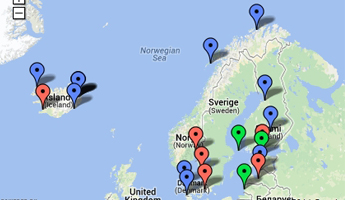
1) Denmark, Estonia, Finland, Iceland, Latvia, Lithuania, Norway, Sweden
The project, whose second phase of development started in 2012 and will end in 2015, includes different types of activities such as:
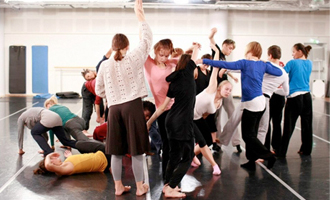
- Encounters : yearly important gathering of hundreds of dance professionals and artists from the Nordic-Baltic Region and beyond. After Tallinn (Estonia) in 2012 and Klaipeda (Lithuania) in 2013, Mariehamn in Finland will be the island venue of the encounter from August 6 to 9, 2014;
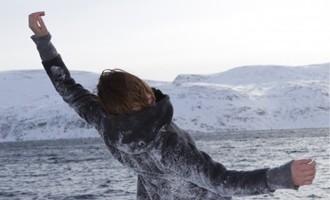
-Wilderness Dance : Residency stays in wild/rural and remote areasallowdance artists to challengetheir perspectives in the Nordic-Baltic region;
-Mentoring Scheme : It is about arts management and capacity building for dance managers and producers in particular;
-Writing Movement : Writing labs are organised to share ideas after watching performances/processes and writing about them;
-Two Think Tanks : One of them deals with the Sustainable Strategies of the Nordic-Baltic dance field and the other, with the Touring Network of the Nordic-Baltic-region.
|
|
|
| Encounters | Wilderness Dance |
|
|
|
| Mentoring Scheme | Writing Movement |
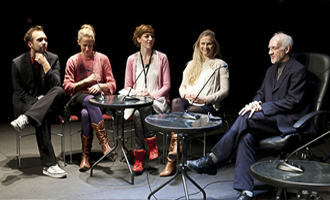
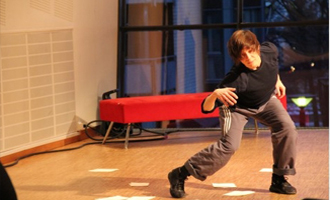
Two think tanks, two strategies for promoting the Nordic-Baltic dance field
As far as the two think tanks are concerned, the one in charge of the sustainability of the Nordic-Baltic dance field will come up with a set of recommendations targeted at public funders (including ministries and Nordic funding bodies) which will be introduced at the August Encounter in Mariehamn from August 6 to 9, 2014.
Katarina Lindholm(project manager at Dance Info Finland) says, “The final document,which is planned to be ready and widely distributed in fall 2014, will contain guidelines, suggestions and recommendations for a more sustainable dance field. However, I do think that much of the content is also applicable to other performing arts and arts fields. These guidelines and recommendations are aimed atnot only dance artists and their community but also funding bodies, policy- and decision makers on national and Nordic-Baltic levels. I believe that much of this willbe relevant internationally as well. The document will deal with ‘sustainable mobility’ among other aspects of sustainability.”
|
|
|
| 2014 Encounter in Mariehamn | Think tank _ The Sustainable Strategies of the Nordic-Baltic dance field |
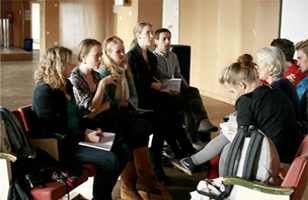
The think tank on touring completed its last workshop session in Copenhagen (Denmark) on May 24,2014. The objective of this workshop was to encourage its members to launch a pilot touring project considering the different contexts and support models each organisation evolves in. “Trust” was a major issue that was discussed during the think tank sessions. As Alan Rivett, director of Warwick Arts Centre (UK) and facilitator of this touring workshop, mentioned, “The partners need to develop a high level of trust not just in each other’s choices of dance work to support on tour but alsoin a network which will be engaged in the complex organisational matters associated with touring. Much of our ‘Think Tank’ time was surreptitiously about developing trust and those making the final commitment to the network were the most experienced, risk-taking and intelligent people around the original table. I’m also happy to say that we were able to bring to the table the experiences of the UK network I chair, the Dance Touring Partnership.”
|
|
|
| Think tank __ The Touring Network of the Nordic-Baltic-region | |
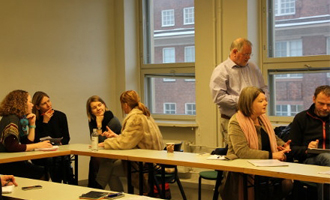
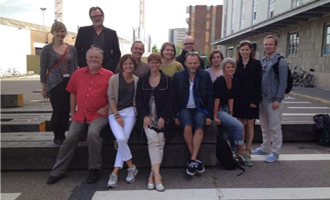
In terms of the potential future development of the Nordic-Baltic Touring Network, Alan Rivett highlights the importance of multiple types of partnership and support: “The Nordic/Baltic think tank on touring has produced an ambitious and inspirational idea to tour dance across seven national boundaries including touring to some of the remotest places on the planet. To succeed, it will need significant ‘in country’ and supranational support. I’m confident that it will succeed. The will is there from some very experienced venues and festivals and they have developed a common language and conditions for cooperating. However, touring is expensive business and everything now depends on support from significant stakeholders.” This question of stakeholders brings us back to the outcomes of the first think tank on sustainability and the importance of the set of recommendations targeted at public funders in the Nordic-Baltic countries, among other future initiatives.
Keðja’s multi-layered story to be definitely continued!
※ All the activities of the keðja project are well documented and reachable on its website: http://www.kedja.net/
※ The keðja 2012-2015 project has received financial support from:
- EU Culture Programme 2007-2013
- Nordic-Baltic Mobility Programme / Nordic Culture Point
ⓒ Photo source_keðja Homepage
 PREV
PREV
.JPG)
.jpg)
.jpg)
.jpg)
.jpg)










.jpg','Keðja is a projected signed for any organisation/g..');)


